

Antik Mısır'da Koku
Kyphi, Tanrılar ve Ölüler için Parfüm

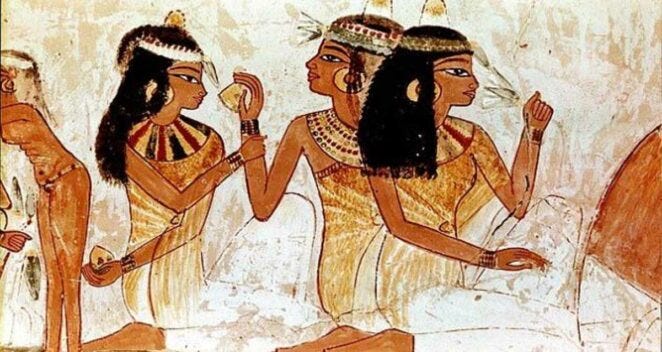
Koku Antropolojisi:
Antik Mısır’da Koku — Kyphi, Tanrılar ve Ölüler için Parfüm
Bir tapınak odası hayal edin. MÖ 1450, Luksor. Gün batıyor. Rahip, buhurdanı yavaşça savurur. Havada ağır, reçineli, tatlı ve sıcak bir duman yükseliyor — tüm gün boyunca farklı tütsüler yakan bu mekânın son, en derin katmanı. Adı Kyphi. Tanrıların dinlenmeye çekildiği bu saatte yakılan koku.
Antik Mısır’da parfüm bir süsleme değildi. Kozmolojinin bir parçasıydı.
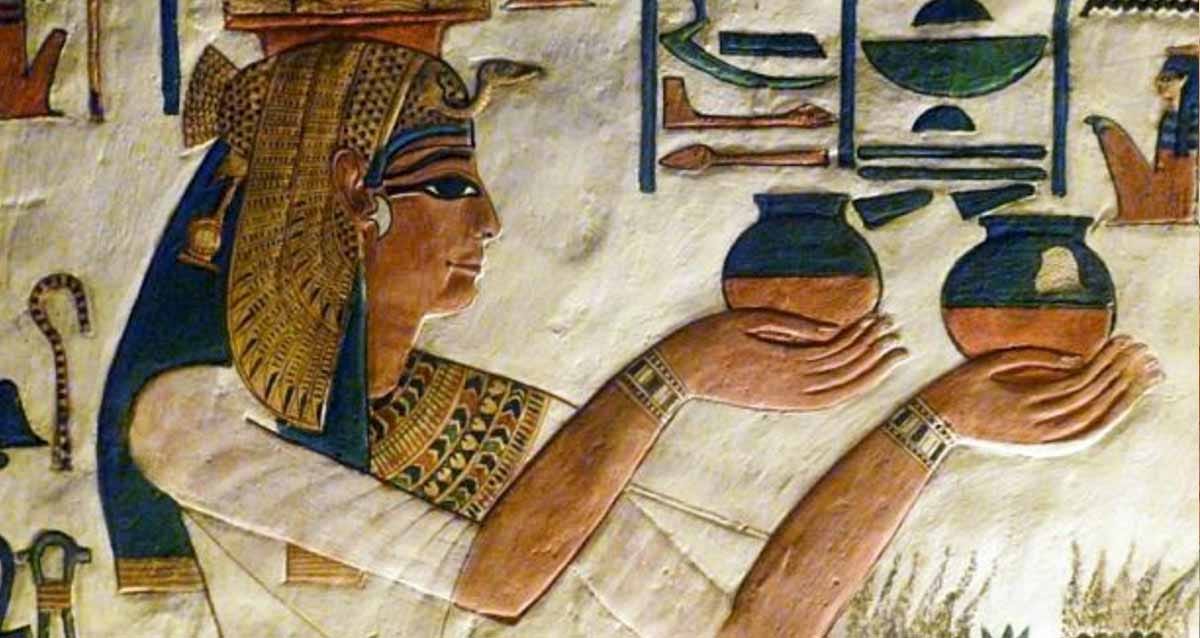
Koku, Zamanı Ölçer
Antik kaynaklara göre, özellikle Plutarkhos’un aktardığı gelenekte, günün farklı anları farklı tütsülerle işaretlenirdi: sabah frankinsens (olibanum), gün ortasında mür, akşam ise Kyphi. Bu uygulama evrensel ve değişmez bir sistemden ziyade, rahiplik pratiğine dair aktarılan bir düzen olarak anlaşılmalıdır. Yine de koku ile zaman arasında kurulan bu bağ dikkat çekicidir.
Mısırlılar için tütsü yakmak, ilahi olanla temas kurmanın bir yoluydu. Duman, görünür ile görünmez arasındaki sınırı incelten bir aracıydı.
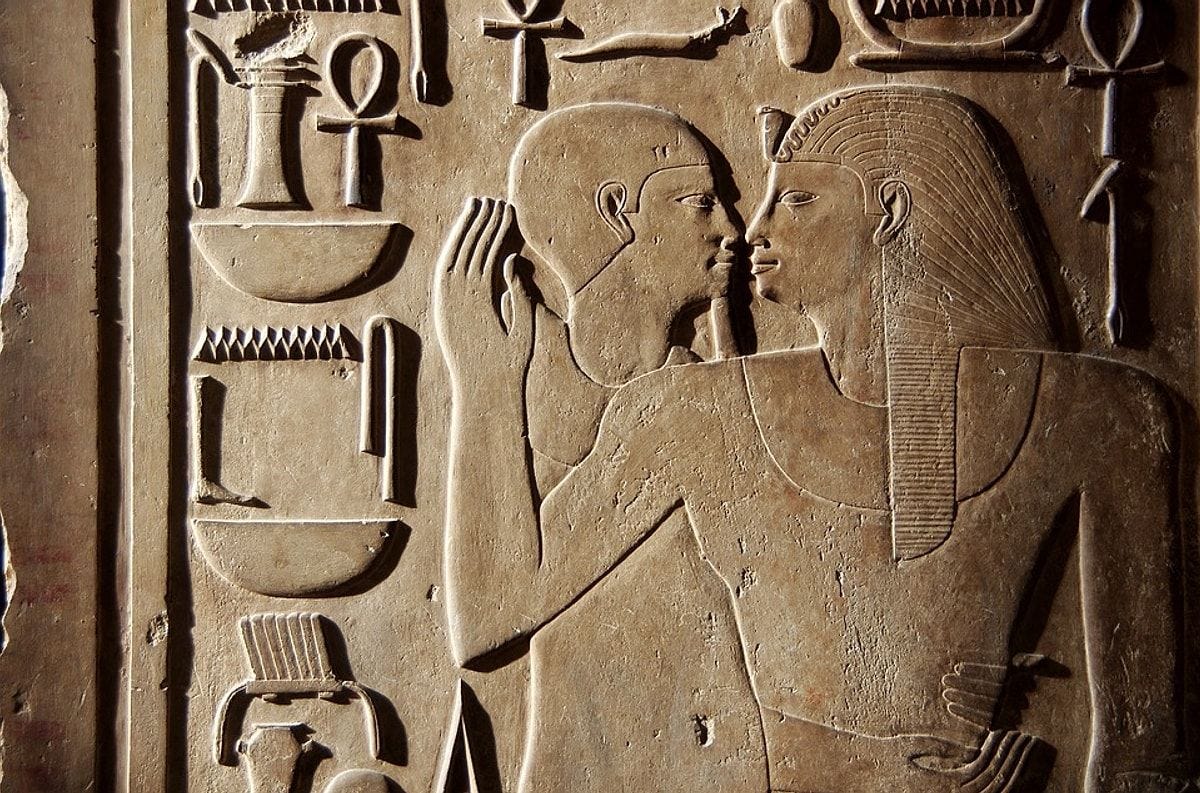
Kyphi Nedir?
Kyphi — ya da Mısırca adıyla Kapet — hem dini hem tıbbi amaçlarla kullanılan bileşik bir tütsüydü. İsim, “yakmak” ya da “tütsülemek” anlam alanına giren bir kökle ilişkilendirilir; ancak farklı dillere uzanan etimolojik bağlantılar kesinlikten çok yorum düzeyindedir.
Bilinen en erken Kyphi tarifleri genellikle MÖ 16. yüzyıla tarihlenen Ebers Papirüsü ile ilişkilendirilir. Daha ayrıntılı tarifler ise Edfu ve Philae tapınaklarının duvarlarına, hiyeroglifler halinde kazınmıştır. Tapınakların bazı bölümleri adeta birer parfüm laboratuvarıydı — reçete, duvarın kendisiydi.
Peki içinde ne vardı?
Edfu tapınağındaki listelerde kuru üzüm, şarap, bal, frankinsens, mür, mastiks, çam reçinesi, tarçın ve ardıç meyvesi gibi çok sayıda bileşen yer alır. Antik yazarlardan Plutarkhos, Kyphi’nin 16 bileşenden oluştuğunu aktarır. Bazı yorumcular bu sayıyı Osiris mitindeki parçalanma motifiyle ilişkilendirir; ancak bu bağlantıyı kesin bir sembolik sistem olarak sunmak temkin gerektirir.
Kyphi hazırlanırken malzemelerin birer birer eklenmesi ve süreç boyunca sözlü formüllerin okunması da yine antik kaynaklarda geçen bir pratiktir. Bu yönüyle Kyphi yalnızca bir reçete değil, bir ritüeldi.
Tanrıların Kokusu, Ruhun Ağırlığı
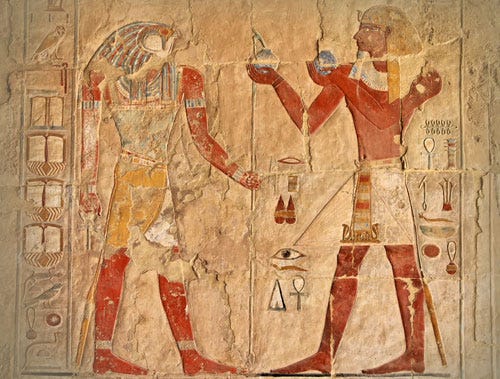
Antik Mısır’da güzel koku kutsallıkla, kötü koku ise çürüme ve düzenin bozulmasıyla ilişkilendirilirdi. Bu yalnızca mecazi bir ayrım değildi; dini düşüncede gerçek bir karşılığı vardı.
Ölü Kitabı metinlerinde koku, nefes ve tütsü sunumu sıkça anılır. Tanrıların “iyi kokulu nefesi” fikri, ilahi varlığın algılanabilir bir niteliği olarak karşımıza çıkar.
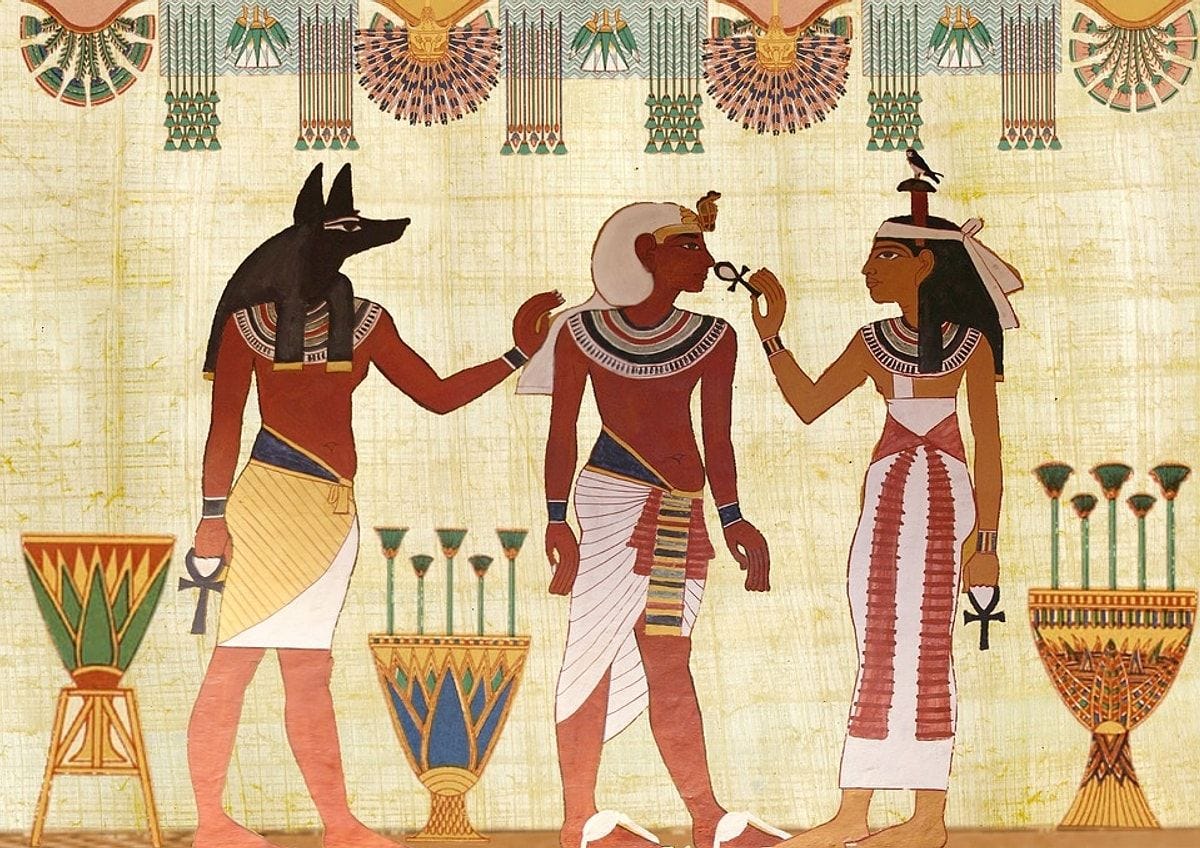
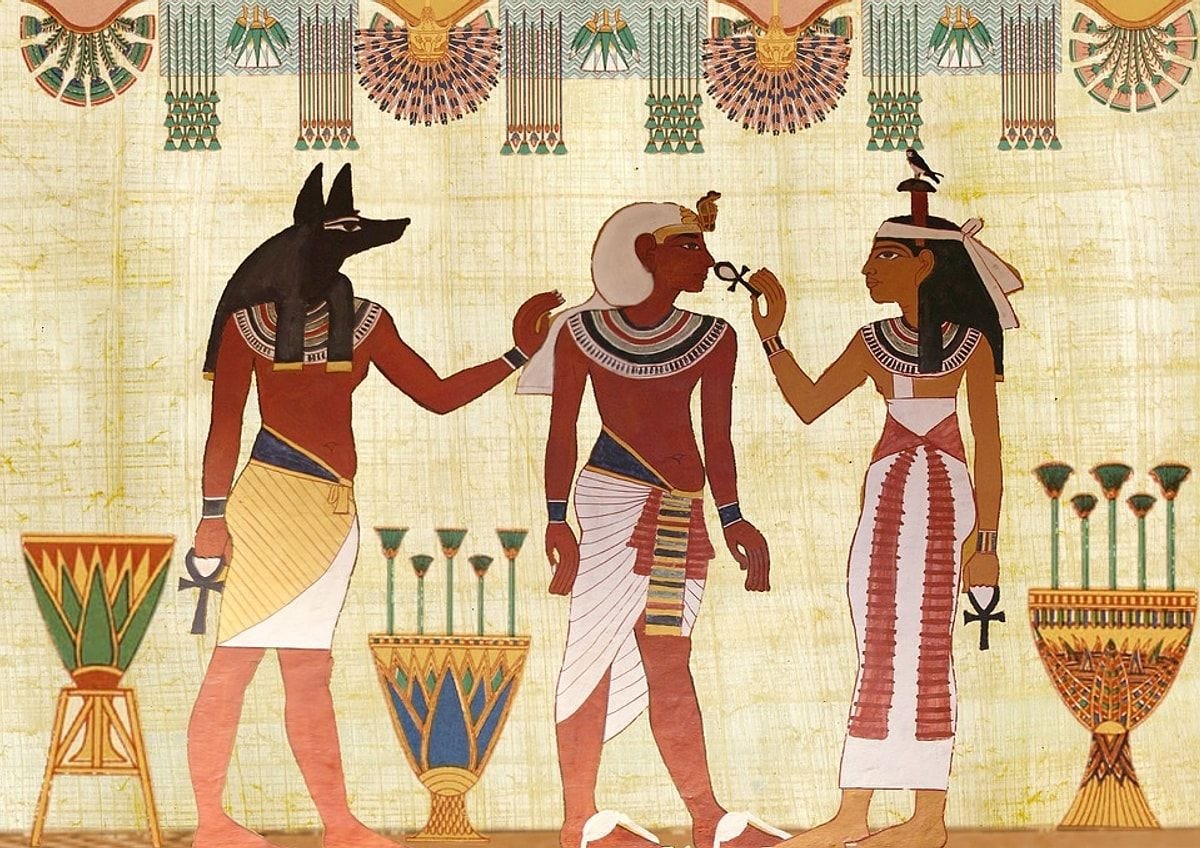
Nefertum — nilüferle özdeşleştirilen koku tanrısı — güzel koku, şifa ve yeniden doğuşla ilişkilendirilirdi. Antik yorumlarda, bitkilerin arındırılmış özü ile ilahi koku arasında bağ kurulduğu görülür.
Ölüler İçin Parfüm: Ebediyet Kokusu
Antik Mısırlılar, ruhun ölümden sonra korunmuş bir bedene geri dönebileceğine inanıyordu. Bu nedenle bedenin hem fiziksel olarak korunması hem de hoş kokması büyük önem taşıyordu.
Mumyalama sürecinde natron ile kurutulan beden, çeşitli aromatik maddelerle işlenirdi. Reçineler, yağlar ve bitkisel bileşenler hem koruyucu hem de kokusal işlev görürdü. Ancak kullanılan tarifler dönemlere ve statüye göre değişiklik gösterebilirdi.
2023 yılında yapılan bir analiz, MÖ yaklaşık 1450’de mumyalanmış Senetnay adlı soylu kadına ait kalıntılarda balmumu, bitkisel yağlar ve farklı reçinelerin kullanıldığını ortaya koydu. Bu bileşenler, yalnızca dini pratiği değil, aynı zamanda geniş ticaret ağlarını da işaret eder.
Bu kokular bugün yeniden oluşturuluyor. Ve tarif edilen profil hâlâ tanıdık: odunsu, reçineli, balzamik, sıcak.
Hatşepsut ve Punt Seferi: Kokunun Politik Boyutu
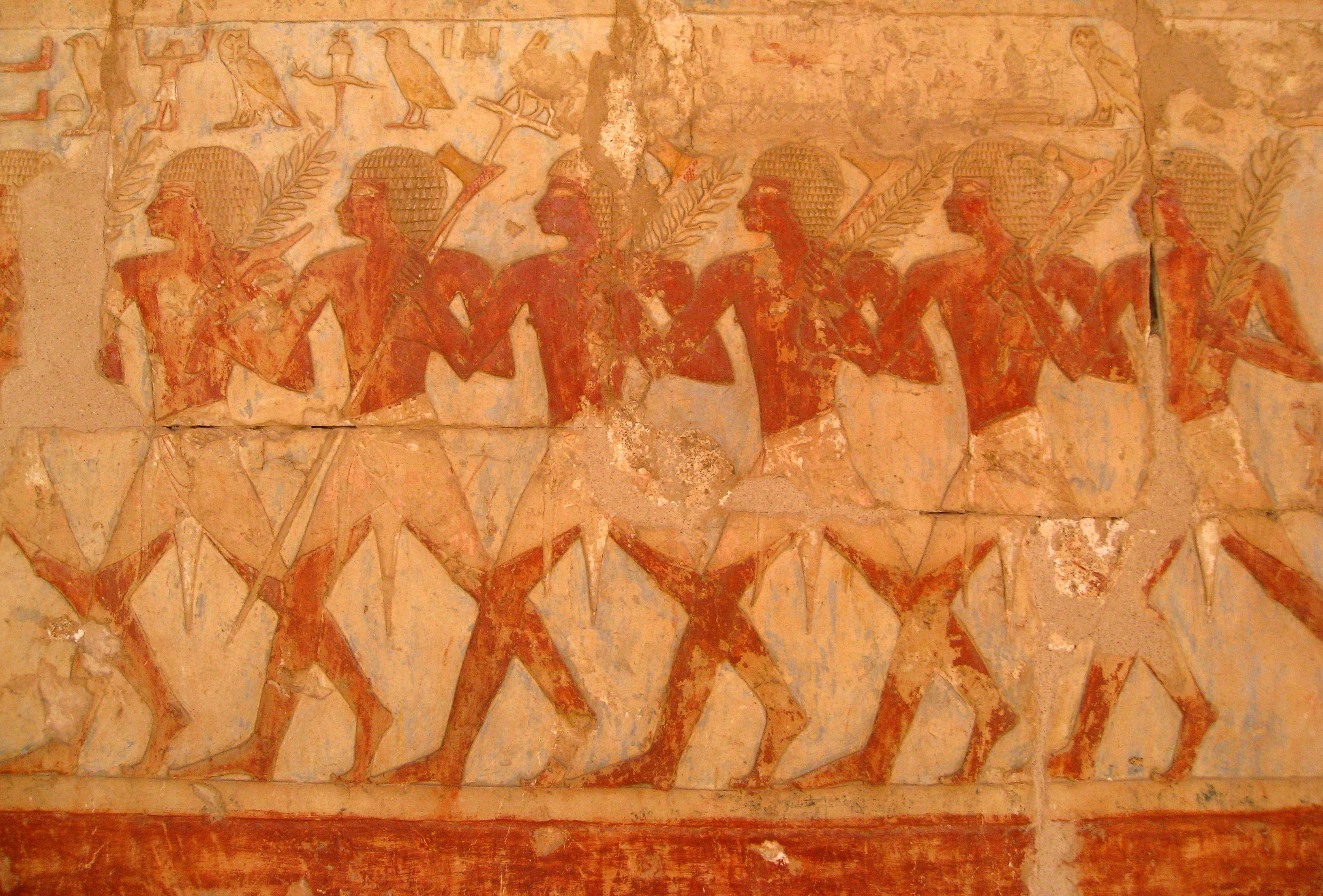
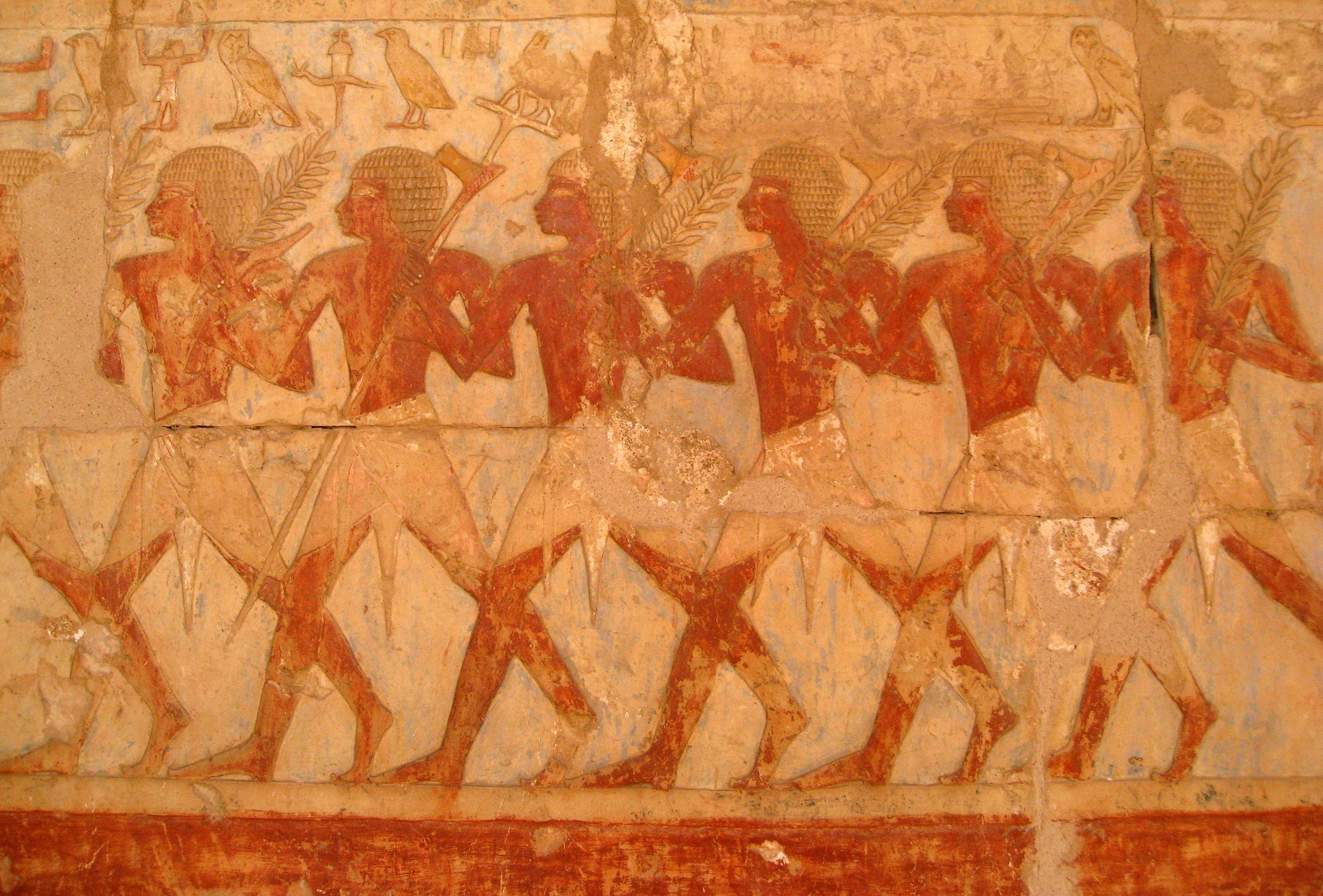
Firavun Hatşepsut, Punt topraklarından tütsü ağaçları getirtmiş ve bunları tapınak kompleksine diktirmiştir. Frankinsens, yalnızca bir koku değil, aynı zamanda tanrısal meşruiyetin bir sembolü hâline gelmiştir.
Bu girişim ekonomik olduğu kadar politikti. Koku, güç ve otoriteyle iç içe geçmişti.
Parfümörün Notu
Antik Mısır parfümeri geleneğine bugün bir parfümörün gözüyle baktığımızda son derece sofistike bir yapı görürüz.
Günün farklı anlarını kokularla işaretlemek — bu, koku ile zaman algısı arasında bilinçli bir ilişki kurulduğunu gösterir. Kyphi’nin hazırlanışındaki katmanlı yapı, dinlenme süresi ve ritüelle birleşen üretim süreci, modern parfümerideki nota kavramlarıyla şaşırtıcı biçimde örtüşür.
Ve belki de en çarpıcı olan: ölülere verilen parfümler. Ahirette güzel kokmak için tasarlanmış bu formüller, bugün bilimsel analizlerle yeniden okunuyor.
Frankinsens hâlâ Boswellia ağacından akıyor.
Mür hâlâ reçine veriyor.
Sadece yaktığımız buhurdan değişti — şimdi parfüm şişesine girdi.
Scenta Atelier
━━━━━━━━━━━━━━━━━━━━━━━━━━━━━━━━ 🇬🇧 English version below ━━━━━━━━━━━━━━━━━━━━━━━━━━━━━━━━
Scent in Ancient Egypt
Kyphi, Perfume for Gods and the Dead
Imagine a temple chamber. 1450 BCE, Luxor. The sun is setting. A priest slowly swings a censer. In the air, a dense, resinous, sweet, and warm smoke rises — the final and deepest layer of a space that has been filled with different incenses throughout the day. Its name is Kyphi. The scent burned at the hour when the gods withdraw to rest.
In Ancient Egypt, perfume was not an ornament. It was part of cosmology.
Scent Measures Time
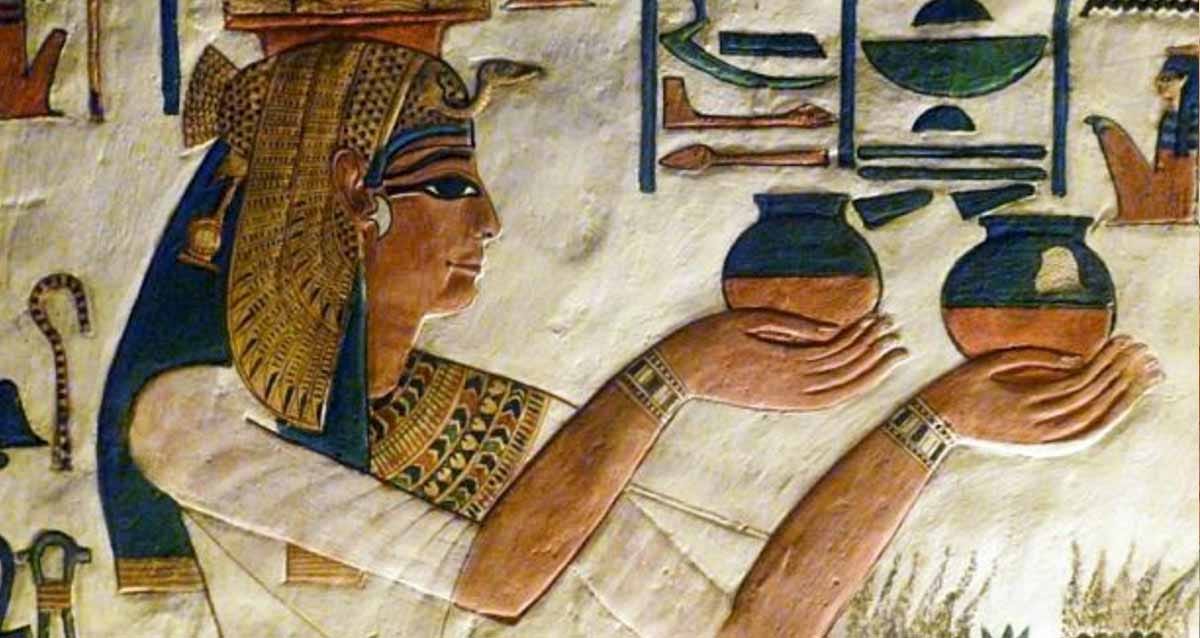
According to ancient sources — particularly the accounts of Plutarch — different moments of the day were marked by different incenses: frankincense (olibanum) in the morning, myrrh at midday, and Kyphi in the evening. This should be understood not as a universal and fixed system, but as a ritual practice described in later sources. Still, the link established between scent and time is striking.
For the Egyptians, burning incense was a way of approaching the divine. Smoke acted as a mediator, thinning the boundary between the visible and the invisible.
What Is Kyphi?
Kyphi — or Kapet in Egyptian — was a compound incense used for both ritual and medicinal purposes. The name is associated with a root related to “burning” or “fumigation,” though broader linguistic connections across cultures remain interpretative rather than definitive.
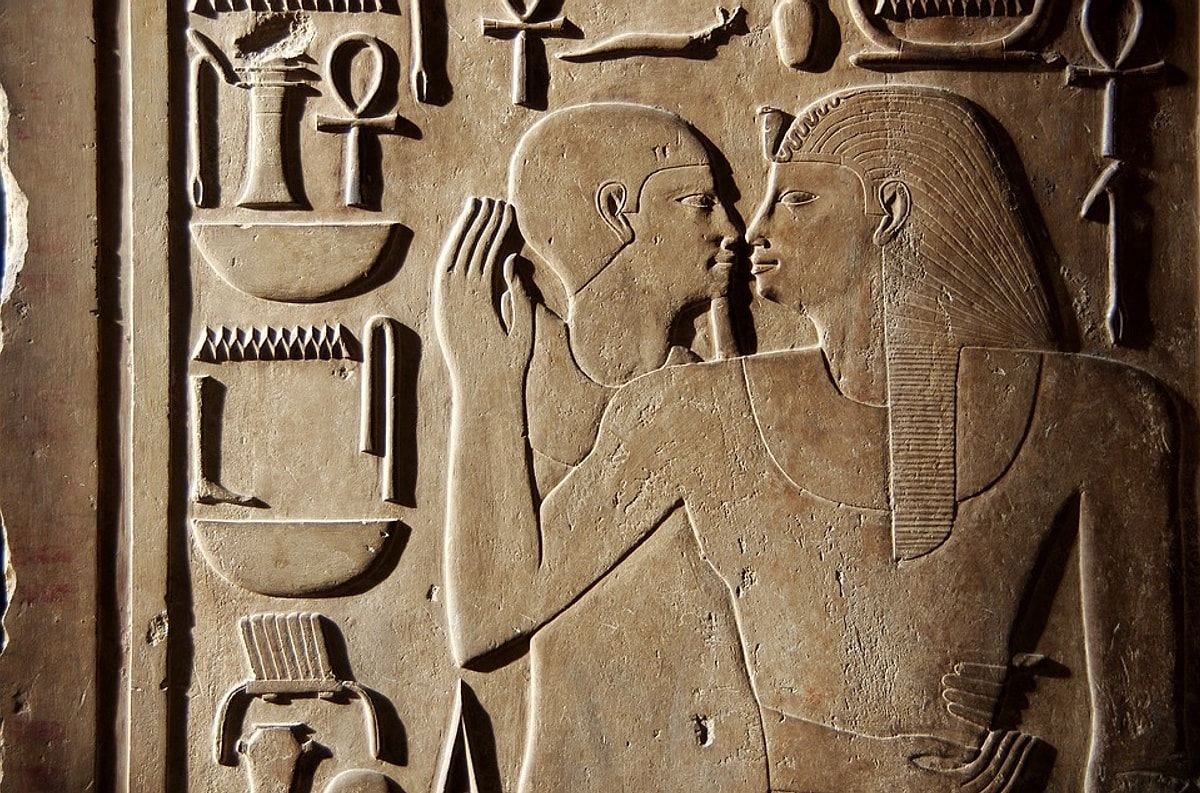
The earliest known references to Kyphi are often linked to the Ebers Papyrus, dated to around the 16th century BCE. More detailed recipes survive carved into the walls of temples such as Edfu and Philae. Some temple rooms functioned almost like perfume laboratories — the formula itself was inscribed into stone.
What did it contain?
Lists from Edfu include ingredients such as raisins, wine, honey, frankincense, myrrh, mastic, pine resin, cinnamon, and juniper berries. The ancient writer Plutarch mentions that Kyphi consisted of sixteen ingredients. Some interpretations connect this number to the dismemberment of Osiris, though such symbolism should be approached with caution rather than certainty.
Ancient accounts also describe a sequential preparation process, where ingredients were added one by one, often accompanied by spoken formulas. In this sense, Kyphi was not merely a recipe — it was a ritual.
The Scent of Gods, The Weight of the Soul
In Ancient Egypt, pleasant scent was associated with purity and the divine, while foul odor was linked to decay and the disruption of cosmic order. This was not merely symbolic; it had real religious significance.
In the Book of the Dead, references to scent, breath, and incense offerings appear frequently. The idea of the “fragrant breath” of the gods suggests that divinity itself could be perceived through smell.
Nefertum — the god associated with the lotus — was linked to perfume, healing, and rebirth. In later interpretations, a connection emerges between purified plant essence and divine fragrance.
Perfume for the Dead: The Scent of Eternity
Ancient Egyptians believed that the soul could return to a preserved body after death. For this reason, it was essential not only to maintain the physical integrity of the body but also its scent.
During mummification, the body was dried with natron and treated with various aromatic substances. Resins, oils, and plant-based compounds served both preservative and olfactory functions. However, the exact recipes varied across periods and social status.
A 2023 scientific analysis of remains belonging to a noblewoman named Senetnay, dated to around 1450 BCE, revealed the use of beeswax, plant oils, and complex resins. These materials point not only to ritual practices but also to extensive trade networks.
Today, these scents are being reconstructed. And their profile remains familiar: woody, resinous, balsamic, warm.
Hatshepsut and the Land of Punt: The Politics of Scent
The pharaoh Hatshepsut imported incense trees from the land of Punt and had them planted near her temple complex. Frankincense became not only a sacred material but also a symbol of divine legitimacy.
This was not merely a luxury — it was a political act. Scent functioned as a language of power.
The Perfumer’s Note
From the perspective of a modern perfumer, Ancient Egyptian perfumery reveals a remarkably sophisticated system.
Marking different times of day with different scents suggests a conscious link between olfaction and the perception of time. The layered preparation of Kyphi — with its sequencing, resting periods, and ritual integration — echoes the structure of top, heart, and base notes in modern perfumery.
And perhaps most striking of all: perfumes for the dead. Formulations designed for the afterlife are now being decoded at a molecular level.
Frankincense still flows from the Boswellia tree.
Myrrh still yields its resin.
Only the censer has changed — now it lives inside a perfume bottle.
Scenta Atelier